Tip/Quote of the Day # 4514
For the horse, the learning happens on the release of the aid. That means if you don't release the aid, the horse will not learn.

For the horse, the learning happens on the release of the aid. That means if you don't release the aid, the horse will not learn.
"Don't take the tempo down without revving the engine." ~ Chris Bartle
I don't even think about aiming a young or green horse at a jump until I have them 100% in front of my leg on the flat. If you do, and the horse thinks about stopping, you will have no recourse, and will end up teaching him that
From Facebook fan Joan Dunlap ~ "Fix your position first... then the horse will adjust theirs."
Because one hind foot is always in the air while at the trot, it is harder for a horse to refuse a jump from a trot approach vs a canter approach. So it can be a good idea to trot into a spooky fence that you think your horse might
Some people misunderstand the term "on the forehand," which refers to the shoulders being down and the hind legs out behind the horse - regardless of where his head and neck are positioned. A low head and neck does not mean a horse is on the forehand, any
If your upper body is leaning to the inside as you try to bend your horse on a circle or through a turn, you will likely find that your horse won’t bend very well. This is because your leaning to the inside causes your horse to also lean to
When riding a Dressage test, riding accurately to the letters and making good use of the corners of the ring shows the judge that you are aware, thinking, and have good control of your horse.
The more a horse relaxes within a lateral movement, the more gymnastic value the exercise will have on his body.
"Just as the sculptor at first chisels the future outlines of his work of art with powerful blows out of the crude block of stone, and then lets it develop in increasingly finer detail in all its beauty, the aids of the rider must also become more and more
"I like to think about making my body longer in the front to make me sit up instead of thinking 'shoulders back,' which can make you stiff." ~ Mary King
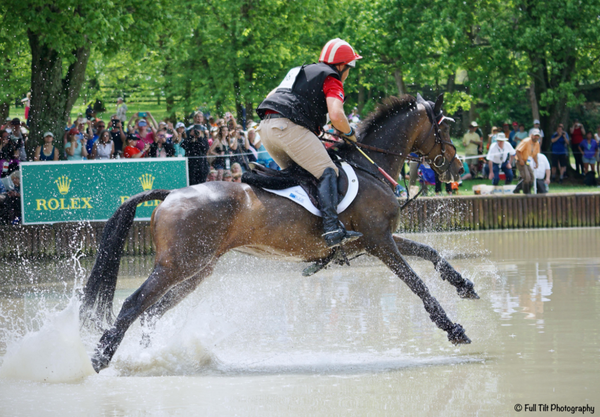
In the sport of Eventing, ensuring that our horses are truly fit for our level of competition is one of the best ways to prevent unnecessary injuries.
Lesley's Corner
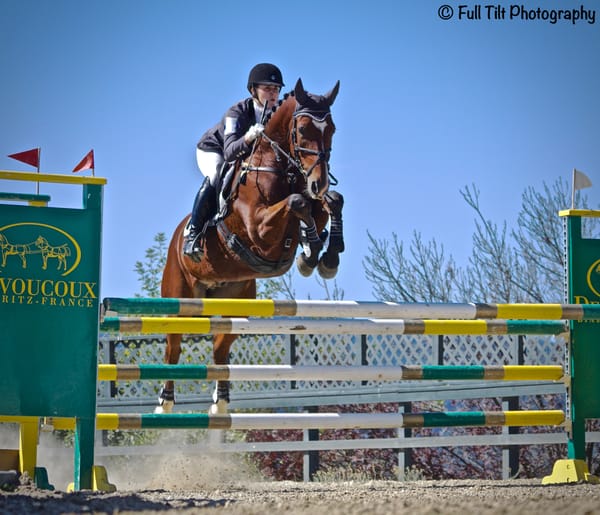
Generally a good, smooth, clean show jumping round happens when you have the right quality of canter, and your horse is rideable and adjustable between fences. Here is an exercise that will show you exactly how much adjustability your horse has!
Videos
Lesley's Corner
To get the very best out of every horse when show jumping, riders need to really think about the specific way that each individual horse needs and wants to be ridden between the fences. Let me help you to figure out what kind of horse you have!
Videos
Videos
Lesley's Corner
If you are like many riders, the act of performing in front of others will make you at least somewhat nervous, whether you realize it or not! Don't despair... there IS something you can do to help you deal with this uncomfortable feeling when it happens! Read on to find out what it is!
Lesley's Corner
Learn about an exercise called "shoulder yield" (which is really more of a jumper term than a Dressage term), that tests your ability to control your horse's shoulders.
Lesley's Corner
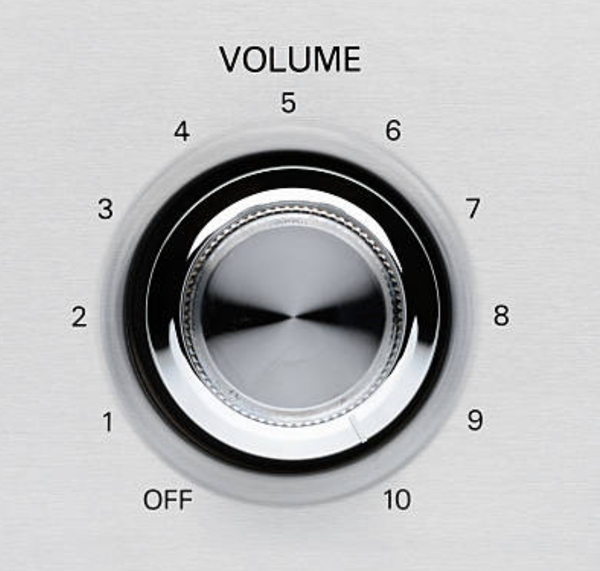
Learn how to lower the VOLUME of your aids, for more harmony in your riding!
Videos
Lesley's Corner
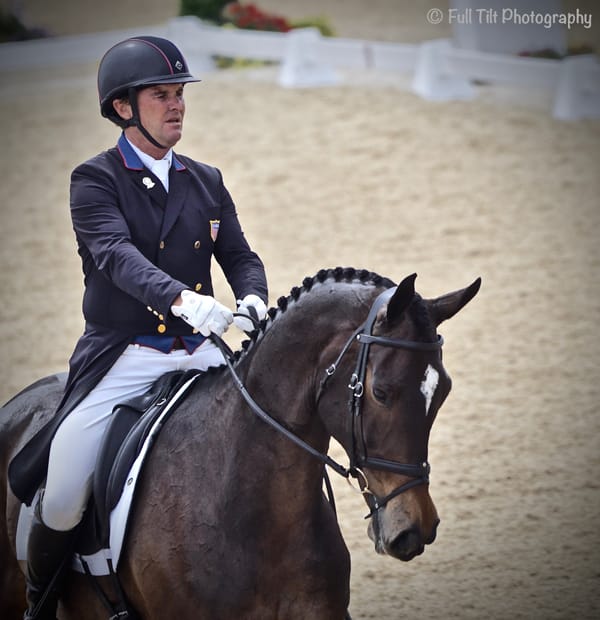
This exercise, suitable for all levels of horses and riders, will turn you into a rider who is able to ride EFFECTIVE downward transitions - which is what is required to give you the best possible result.
Lesley's Corner
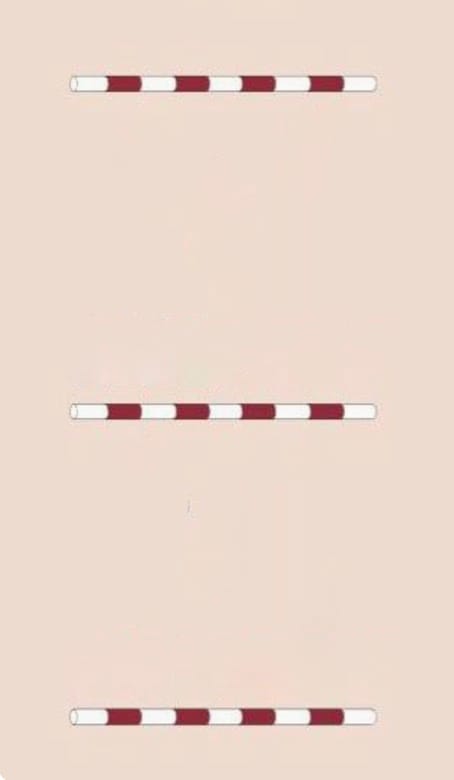
This canter pole exercise has applications for just about every level of horse & rider - from Training level Dressage right to Grand Prix! It will improve your horse's balance and responsiveness, by increasing hind leg engagement. You can even use it to add more scope to your horse's canter stride!
Lesley's Corner
Here is a highly effective exercise, that will fix any hand position flaw that you may have!